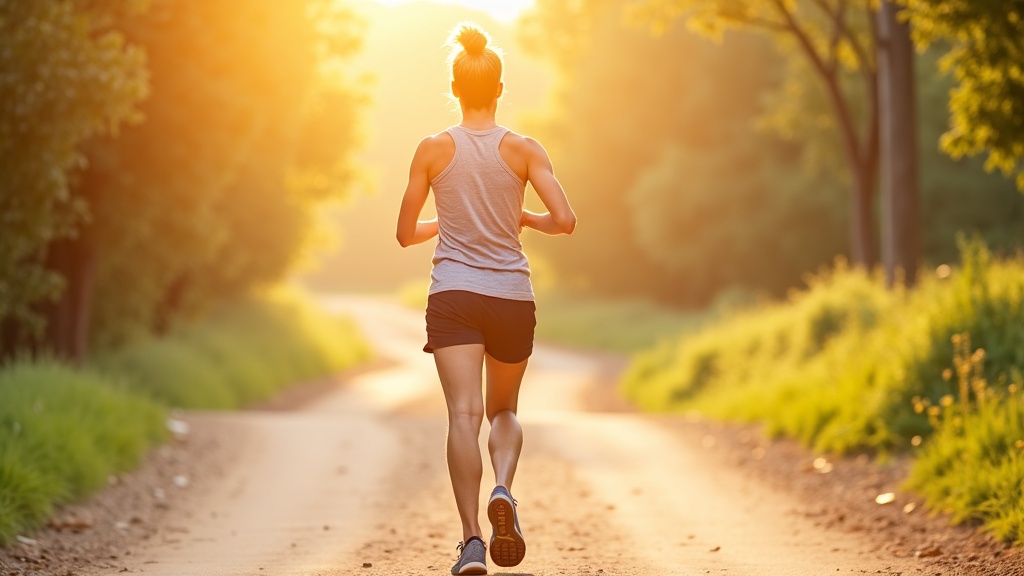
I would run on a treadmill in barefoot shoes, and yes, you can too—provided the shoes fit, the treadmill permits them, and your feet are ready for the workload. The moving belt does not make minimalist running automatically safe or automatically dangerous. Your starting point and the amount of running you introduce matter more.
My approach to barefoot shoes treadmill running is simple: use the predictable surface to practice an easy, relaxed stride, then stop before enthusiasm turns a short introduction into a full workout. After six years of barefoot-only running, that restraint matters more to me than chasing the thinnest sole.
My transition grew out of dealing with IT band syndrome. Changing footwear was part of a broader rethink of how I trained; it is not proof that barefoot shoes cure knee pain. Here is how I would approach the treadmill as a coach, including the mistakes I want beginners to avoid.
1. What a treadmill changes—and what it does not
A level motorized treadmill gives you a consistent surface, adjustable speed, and an easy way to measure short running intervals. There are no surprise stones or sloping road shoulders. For a beginner, that makes it easier to focus on how a shoe fits and how the stride feels.
But the belt does not carry out the running effort for you. You still have to support your body, absorb load, and keep pace with the moving surface. The idea that you can simply lift your feet while the machine does everything else misses what happens during ground contact.
A review comparing treadmill and overground running biomechanics found that many measures were broadly comparable, with differences in some measures. That supports treating treadmill running as real running, while allowing time to get comfortable with a particular machine.
Deck cushioning varies, too. One treadmill can feel forgiving while another feels firm or springy. Neither sensation tells you exactly how much stress your foot bones or Achilles tendon are tolerating. A comfortable surface is useful feedback, but it is not permission to double your usual exposure.
My coaching rule: keep the first session deliberately small even when it feels easy. Comfortable breathing tells you about effort; it does not establish that your feet are adapted to a new shoe.
2. Zero-drop shoes change the tradeoffs under your feet
Zero-drop means the heel and forefoot sit at the same height inside the shoe. It does not necessarily mean thin, flexible, or uncushioned. Barefoot-style shoes usually combine zero drop with little cushioning, a flexible sole, and room for the toes, but each feature deserves its own fit check.
If you normally run in shoes with an elevated heel, moving to a flatter shoe can change the demands around your ankle. A simultaneous change toward forefoot landing can increase calf and Achilles loading. Removing cushioning also changes what you feel underfoot. These are reasons to introduce the shoe gradually, not reasons to force a particular running technique.
Minimal footwear does not make load disappear; it changes the conditions in which you manage it. A knee that feels happier is not a reason to ignore a sore forefoot. My own history with IT band trouble makes me especially cautious about judging an entire transition by one body part.
| Starting point | Useful treadmill approach | Main trap |
|---|---|---|
| New to running and barefoot shoes | Begin with comfortable walking; introduce brief jogging only after that feels routine | Increasing running fitness and minimalist exposure together too quickly |
| Experienced runner in conventional shoes | Replace a small part of an easy session with minimalist run/walk intervals | Assuming aerobic fitness equals foot and calf readiness |
| Regular barefoot-shoe walker | Treat running as a new load despite familiar footwear | Counting all-day walking comfort as running adaptation |
| Established minimalist runner | Use a short, easy introduction to the machine before normal training | Assuming displayed pace will feel identical to outdoor pace |
3. Let your stride settle instead of forcing a foot strike
Keep the steps comfortable and the feet relaxed
Start at a pace where you can speak in full sentences. Look ahead, let your arms swing, and avoid reaching far forward with each step. Think about bringing the landing a little closer to your body if you are obviously overstriding. Do not try to place the foot at an exact point beneath your hips.
A heel touching first is not automatically a technique failure. A forefoot landing is not automatically good technique. You can reach too far forward with either pattern. I care more about whether you are moving comfortably than whether you can label the landing.
The cue I use is “relax the foot,” not “stay on your toes.” Deliberately holding the heels up can leave your calves doing work they did not need to do. Let the ankle move naturally instead of turning every step into a calf raise.
Do not chase silence or a magic cadence
A little less reaching may make your steps quicker at the same speed. That does not mean everyone should aim for 180 steps per minute. Height, speed, and individual mechanics affect cadence. Use a natural rhythm before experimenting with a metronome.
The belt also amplifies sound differently from pavement. Listen for changes such as sudden slapping or scuffing, but do not contort your stride to make the machine silent. If you need to grip the rails, crowd the console, or shuffle unnaturally to keep up, lower the speed.
4. Choose secure fit before the thinnest sole
Affiliate disclosure: As an Amazon Associate, I earn from qualifying purchases.
For treadmill use, I would start with a flexible road or gym shoe with a secure upper and an outsole suited to a clean, dry belt. You do not need deep trail lugs indoors. You also do not need the absolute minimum amount of rubber to benefit from a roomy fit.
- Toe space: Your toes should spread without being pressed together or into the upper. Leave space ahead of the longest toe and check both feet against the manufacturer’s sizing guidance.
- Midfoot security: The shoe should hold you without requiring clenched toes. A wide toe box and a secure midfoot can coexist.
- Heel fit: Avoid repeated lifting or rubbing. Tightening the laces until your foot tingles is not a fit solution.
- Outsole condition: Use clean, intact soles. Stop if the shoe slips or catches unexpectedly on the belt.
If you are shopping from scratch, compare wide toe-box, zero-drop minimalist running shoes against those checks. This is a category recommendation: product labels alone cannot tell you whether a shoe matches your foot shape, and Amazon listings may group different versions together.
Optional moisture-wicking running toe socks may help if toe-to-toe rubbing bothers you. Try them inside the shoe before running because they occupy space. Ordinary running socks are fine when comfortable; toe socks are not required for good mechanics.
My fit rule: toes need room, but the whole foot should not slide around. Buying an excessively long shoe to solve a width problem can create a different problem on a moving belt.
5. Build exposure in minutes, with recovery between sessions
For a healthy runner who already tolerates comfortable walking in barefoot shoes, I would use the following as a conservative first-session example. It is a starting option, not a tested schedule that guarantees safety. If walking in the shoes is still unfamiliar or uncomfortable, work on that first.
- Walk easily for about five minutes at zero incline.
- Jog comfortably for 30 seconds, then walk for 90 seconds.
- Repeat the jog/walk cycle four times, giving you two minutes of actual running.
- Finish with a few minutes of easy walking and assess how you feel later that day and the next morning.
Leave at least a day without minimalist running between early sessions, and longer if needed to return to your normal baseline. Repeat a tolerable dose several times before adding anything. If the session and recovery remain comfortable, you might add one short repetition while keeping speed and incline unchanged.
Count the jogging minutes, not just time on the machine. Also count other new exposure: wearing barefoot shoes all day, taking longer walks, and adding calf exercises all contribute to the workload. Replace part of an existing run rather than automatically adding minimalist minutes on top of your usual training.
A small study of runners transitioning to minimalist shoes over ten weeks found increased foot bone marrow edema in more participants in the minimalist group than in the control group. It was not a treadmill study, and imaging changes do not all mean the same thing clinically. It does show why completing a calendar-based transition is not proof that the feet have adapted.
There is no deadline for reaching a continuous 30-minute run. Stay with short intervals as long as needed. If you are already fully adapted to minimalist running outdoors, your introduction can focus on familiarity with the treadmill rather than restarting your entire footwear transition.
6. Keep speed, incline, and belt safety simple
Begin on a level belt. You do not need a mandatory 1% incline for a short transition session. An incline changes the task and can increase calf and ankle demands; it is not a shortcut to better barefoot form. Add hills only after level running is consistently comfortable.
Use easy effort rather than defending your outdoor pace. Indoor heat, unfamiliar equipment, and the sensation of staying in one place can affect how a pace feels. A fan can improve comfort, especially when an Austin summer sends you inside, but comfort still does not determine your transition dose.
Follow the machine’s start and stop instructions, attach the emergency-stop clip, and check gym footwear rules. Secure laces and keep loose items away from the belt. Slow down before changing controls if you cannot reach them comfortably, and stop the belt before stepping off or changing shoes.
This advice is mainly for ordinary motorized treadmills. A curved, self-powered treadmill has different speed control and feel. Treat switching to one as another equipment change rather than copying your motorized treadmill settings.
7. Respond to symptoms before they change your stride
Mild, diffuse muscle soreness can occur after unfamiliar exercise, but soreness is not a training target. If your calves are noticeably sore, wait until ordinary walking feels normal and reduce the next exposure. Do not interpret every uncomfortable sensation as your feet getting stronger.
Stop running for sharp pain, swelling, pinpoint foot pain, worsening Achilles discomfort, or a limp. Persistent pain, pain at rest, or difficulty bearing weight deserves medical assessment rather than another treadmill experiment. A sports clinician can help distinguish muscle soreness from a tendon or bone problem.
If you have reduced foot sensation, a current foot injury, or a history of bone stress injuries, get individualized guidance before starting. Thin soles and a predictable surface do not remove those considerations. There is also no requirement to give up a conventional shoe that lets you train comfortably.
Frequently asked questions
Can I run completely barefoot on a treadmill?
Bare skin is different from barefoot shoes. Check the manufacturer’s instructions and gym policy; moving belts create friction and abrasion hazards. I would choose a secure shoe for treadmill running rather than assume an indoor surface makes unshod running appropriate.
Is treadmill running in barefoot shoes easier than running outside?
It can be easier to control: no uneven pavement, turns, or route decisions. That does not guarantee less stress on your feet. Use the consistency to limit exposure, not to justify a longer first run.
Should beginners run in barefoot shoes every day?
I would leave recovery days between early running exposures. Start with a small dose, repeat it, and increase only when both running and the following day feel normal. Daily walking experience does not automatically prepare you for daily running.
Will barefoot shoes fix my treadmill running form?
No shoe guarantees that. A flexible sole may make you more aware of contact, but you can still overstride or force an awkward landing. Start level, keep the effort easy, let your feet relax, and finish with enough restraint that you can assess the session before repeating it.